Costs and estimates
Reading a Remodeling Estimate in Roswell, Line by Line
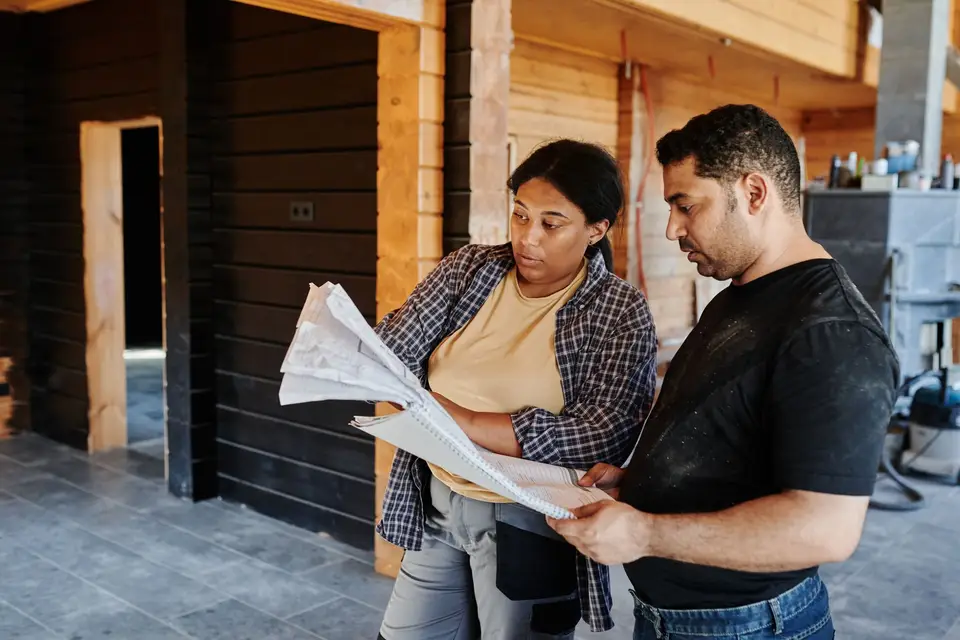
A remodeling estimate in Roswell should tell you three things plainly: what will be done, what each part of it costs and what is not included. Too many estimates are a single number at the bottom of a page with a line like “kitchen remodel per plans” above it. That makes it hard to compare two bids, hard to know what you are paying for and easy to be surprised by the final bill. This guide walks through what a clear remodeling estimate looks like and what to ask when yours does not.
Start with the scope, not the price
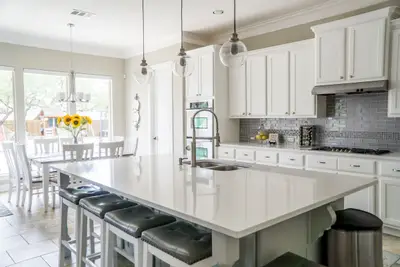
A good estimate opens with a written scope: what the project includes, room by room. For a kitchen, that means whether the walls move, where the sink and the range end up, what kind of cabinets and counters are planned, what happens to the floor and the lighting, and which appliances are reused. For a bathroom, it means whether the tub stays, how the shower is waterproofed and whether the vanity moves.
If the scope is vague, every price below it is vague too. Two contractors can quote “remodel kitchen” and mean very different jobs. Before you compare totals, compare the scope lines and make sure both bids describe the same project.
The lines a remodeling estimate should show
Every project is different, but a clear estimate for a kitchen, a bathroom or an addition usually breaks out these parts:
- Demolition and disposal. Taking out the old room, protecting the rest of the house and hauling the debris away.
- Structural work. A beam where a wall comes out, new framing, or repairs to a floor that has sagged.
- Plumbing. Moving or replacing supply and drain lines, new fixtures and the plumber’s labor.
- Electrical. New circuits, outlets, lighting and any panel work the new room needs.
- Heating and cooling. Moving or adding vents, or a new system for an addition or a basement.
- Drywall, insulation and paint. Closing the walls and finishing them.
- Cabinets and counters. The type, the supplier and who installs them.
- Tile and flooring. The area covered and whether materials are included or an allowance.
- Fixtures and finishes. Faucets, lights, hardware, mirrors and the like, often as allowances.
- Permits, plans and inspections. The city’s fees, the drawings and the time to book inspections.
- Cleanup and protection. Dust barriers, floor protection and the final clean.
When each of these sits on its own line, you can see where the money goes and change one part without guessing what happens to the rest.
Allowances: the line that moves the most
An allowance is a set amount for something you have not chosen yet. A kitchen estimate might carry an allowance for tile, light fixtures or the faucet. Allowances are normal, because few people pick every finish before they hire a contractor. The trouble comes when the allowance is set low to make the total look smaller.
Ask what each allowance would buy in a store today. If the tile allowance covers only the cheapest tile in the showroom, and you have something else in mind, the true price is higher than the estimate says. A good contractor sets allowances that match what you have described and tells you plainly when a choice will go over.
Refresh or remodel, side by side
Sometimes the best answer is not the project you asked about. If the cabinet boxes are sound and the layout works, a kitchen refresh with new counters, cabinet fronts, hardware and lighting may give you most of what you want for far less. A clear estimate puts the refresh price beside the full remodel, so you can choose with both numbers in front of you. If your contractor never mentions a smaller option, ask for one.
What often gets left out
When a low bid looks too good, check it for these common gaps:
- Permits. Moving walls, plumbing or wiring needs a permit from the City of Roswell. If the estimate does not list it, ask who pulls it and who pays.
- Electrical upgrades. A new kitchen often needs dedicated circuits for the appliances. Older Roswell homes may also need panel work.
- Drywall and paint beyond the room. Opening a wall often means patching and painting the room next to it.
- Hidden damage. Rot under a tub or a soft subfloor cannot be priced before demolition. The estimate should say how it will be handled.
- Disposal. Dumpster rental and hauling can add up on a large project.
- HOA approval. If an addition or exterior change needs the architectural review committee, the drawings and samples take time and sometimes money.
Change orders and hidden damage
No contractor can see inside a wall before it is opened. A good estimate explains what happens if something turns up: the crew stops, shows you photos, writes up the extra work with its price in a change order and waits for your signature before doing it. The same goes for changes you ask for, such as a different tile or an extra outlet. If an estimate does not mention change orders at all, ask how they work before you sign.
The schedule and the payment plan
The estimate should come with a schedule that shows the stages and the working days for each, from demolition to the final walk-through. It should also show the payment schedule. Payments that follow the stages of the work, with a deposit that covers ordering and scheduling, protect you both. Be wary of a large payment due before any work starts, or a final payment due before you have walked the finished room.
Questions to ask before you sign
- What exactly is included in the scope, room by room?
- Which lines are allowances, and what would each allowance buy?
- Who pulls the permits and books the inspections, and are the fees included?
- How are hidden damage and changes handled, and in writing?
- What is the schedule, in working days, and what could delay it?
- What is the payment schedule, and what does the warranty cover?
A contractor who answers these clearly, and puts the answers in writing, is one you can work with. If you want a second set of eyes on an estimate you already have, or a written estimate of your own, see what we cover in our Roswell service area and book a free visit. We will walk the space with you and give you a price with every line on it. Our kitchen remodeling page shows how those lines look for the most common project.
Questions about this guide
Why do two remodeling estimates for the same kitchen differ so much?
Usually because they do not cover the same work. One may include the permit, the electrical upgrades and the drywall repair while the other leaves them out, or one may price semi-custom cabinets and the other stock. Put the lines side by side before you compare the totals.
What is an allowance, and why does it matter?
An allowance is a placeholder amount for something you have not picked yet, such as tile or light fixtures. If the allowance is low, the estimate looks cheaper, but the bill grows when you choose the real thing. Ask what each allowance would actually buy.
Can the price change once the work starts?
It can if you change the plan or the crew finds something nobody could see, such as rot under a tub. A good estimate says how that is handled, usually with a written change order that you sign before the extra work starts.