Basements and additions
Addition or Finished Basement in Johns Creek, Compared
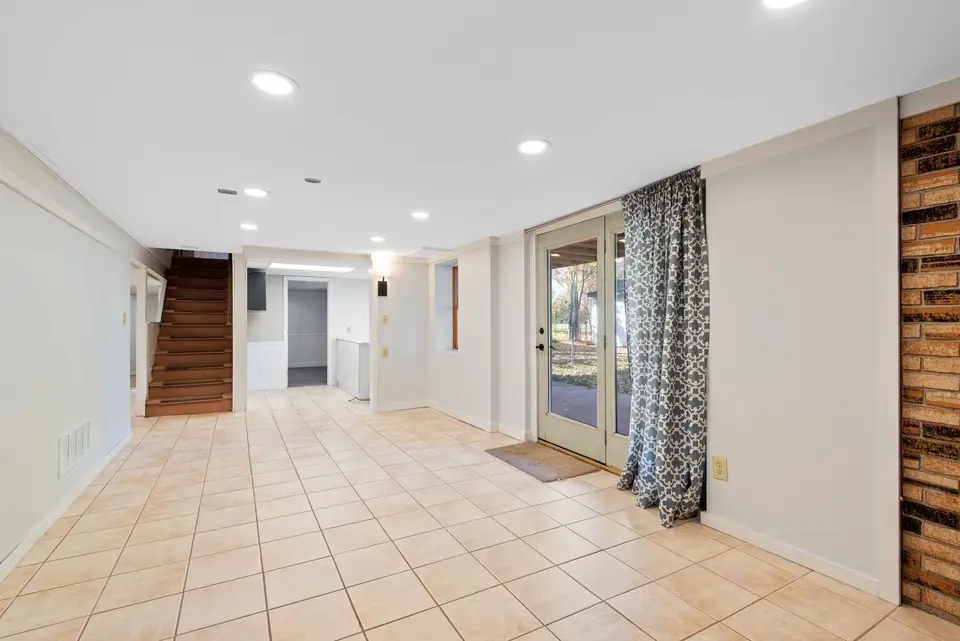
An addition or finished basement in Johns Creek is the choice many families face once the house starts to feel small. The kids need their own space, a parent is moving in, or you want a primary suite on the main floor so you can stop climbing stairs. Both options add living space. They differ in price, in time, in what they need from the lot and the neighborhood, and in the kind of space you end up with. This guide walks through how to decide.
Start with what the space is for
The most useful question is not “addition or basement?” but “what will we use the new space for?” Write down the rooms you need and who will use them.
- A family room, media room, gym, playroom or office. These work well in a basement, especially a walk-out with daylight on one side.
- A guest suite. A basement suite with its own bathroom gives guests privacy, and a walk-out gives them their own door.
- A primary suite on the main floor. This usually needs an addition, because the point is to live on one level.
- A larger kitchen or more light in the main living area. These need an addition, or a reworked main floor.
- A room for a parent who will live with you. It depends on mobility. A main-floor addition avoids stairs. A walk-out basement suite can work if the slope gives a level entry.
Once you know the rooms, the choice often makes itself.
What a finished basement gives you
Many Johns Creek homes sit on sloped, wooded lots, and a lot of them have a walk-out basement with full-size windows and a door to the yard on the low side. Finishing that space is one of the best values in remodeling. The foundation, the walls, the floor and much of the structure already exist, and the stairs are already there. You are paying for insulation, framing, systems, finishes and any bathroom, not for digging and building from the ground up.
The limits are the ceiling height under the beams and ducts, the position of the furnace, the water heater and the main drain, and water. A basement that gets damp after rain needs that fixed first, and the fix goes on the estimate as its own line.
What an addition gives you
An addition creates new space where the house had none. It is the only way to add a room on the main floor, to make the kitchen larger or to bring more light into the main living area. It also lets you design the space from scratch: a primary suite with a large closet and a walk-in shower, or a family room with glass doors to the yard.
An addition costs more per square foot than a finished basement because it needs a foundation, a frame, new exterior walls and windows, and a connection to the existing house. It also takes longer, because the plans, the permits and often the HOA approval come before any digging starts.
Check the lot before you decide
An addition only works if the lot allows it. Every lot has setbacks from the property lines and a limit on how much of it can be covered. Johns Creek lots are often larger than in older suburbs, but they also tend to have mature trees, slopes, easements and sometimes a septic field. Roots spread well beyond the branches, and a foundation or heavy equipment in the root zone can kill a tree a year or two later. We walk the lot, look at the plat and tell you where an addition could go before anyone pays for plans.
Check for water before you finish a basement
Red clay holds water and drains slowly. After a heavy rain, water can press against a foundation wall for days. Look for a white crust on the concrete, a musty smell, stains at the base of the walls or a sump pump that runs often. Most causes, such as grading that slopes toward the house or a failed footing drain, can be fixed. They must be fixed before framing, because finishing over a damp wall only hides the problem.
HOA and city approval
Most Johns Creek neighborhoods have an HOA with an architectural review committee. An addition changes the outside of the house, so it almost always needs the committee’s approval, and some neighborhoods have strict rules on materials and placement. A finished basement is interior work and rarely needs it. Both need a permit from the City of Johns Creek and inspections during the work. We file the permits and prepare what the committee asks for.
Systems: can the house carry more?
Both options add load to the heating and cooling and the electrical panel. A finished basement often works with an extension of the existing system plus a dehumidifier. An addition, especially a primary suite, often needs its own small system, because a long duct run from the old one leaves the new rooms too hot or too cold. The estimate should show which one your project needs and why.
Comparing the two on paper
The clearest way to choose is to price both. Our estimates for Johns Creek families often show a finished basement and an addition side by side, each with the scope, the price lines and the schedule in working days. Sometimes the basement gives you everything you need for much less. Sometimes the addition is the only way to get the room you actually want. Seeing both lets you decide with real numbers.
The next step
Make your list of rooms, check the basement for signs of water and look at your neighborhood’s HOA rules. Then book a visit. See what we cover on our Johns Creek area page, and we will walk the lot and the basement with you and price both options in writing. For more on each, read our basement finishing and home additions pages.
Questions about this guide
Which adds more value to the house, an addition or a finished basement?
It depends on the house and the street. Main-floor space usually counts for more with buyers than basement space, but a well-finished walk-out basement with daylight and a bathroom adds real living area too. We would rather you choose for how you will live in the house than for a guess about resale.
Can a basement bedroom count as a real bedroom?
Yes, if it meets the code for a sleeping room. The key is a window or a door large enough to get out in an emergency, plus the right ceiling height and a closet if you want it listed as a bedroom. A walk-out basement usually makes this easy.
How long does each one take?
A finished basement usually takes five to eight weeks on site. An addition takes a few months on site, plus the time for plans, permits and HOA approval. Your written schedule shows each stage in working days.